Waste-to-Oil Pyrolysis Plant: From Waste Disposal to Resource Recovery

As waste management costs rise and environmental supervision becomes stricter, many recycling companies, industrial waste handlers and environmental contractors are no longer satisfied with simple disposal. Waste tires, mixed plastics, rubber residues, oil sludge and other difficult-to-treat materials may become recoverable resources if processed through the right technology route.

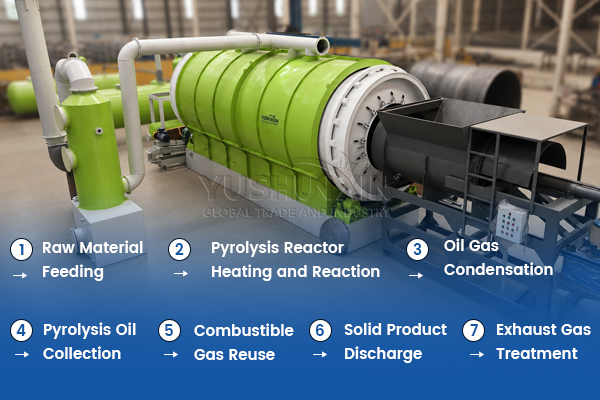
Waste-to-oil pyrolysis technology provides this transition path by converting hydrocarbon-rich waste into pyrolysis oil, recovered carbon materials and reusable gas under controlled thermal conditions.

For investors and project operators, its value should be assessed from three dimensions: environmental pressure reduction, commercial revenue creation and policy alignment.

Economic Value: Turning Disposal Costs into Multi-channel Revenue

The value of waste-to-oil pyrolysis technology goes beyond one feedstock or one product. Tire recyclers can move beyond low-margin shredding. Plastic recyclers can process mixed PE, PP and PS streams that are difficult to pelletize. Oil sludge operators can reduce disposal pressure and recover usable oil.

Market conditions decide how each output creates value. Industrial plants can use pyrolysis oil as fuel for boilers, bricks, steel or glass production. Customers can also refine it into diesel fuel for trucks, tractors, ships and generators. Carbon-based residues can enter fuel, construction materials or further downstream processing. Operators can reuse non-condensable gas for reactor heating and reduce external fuel demand. Investors should evaluate product sales, energy reuse and lower disposal costs together.

Pyrolysis product pyrolysis oil carbon gas

Environmental Value: Reducing Disposal Pressure and Supporting Energy Reuse

From an environmental perspective, pyrolysis helps reduce the volume and pressure of difficult waste streams. Materials that may otherwise occupy landfill space or require high-cost disposal can be converted into usable outputs through controlled heating, condensation and gas treatment. Compared with simple disposal, this route supports cleaner waste reduction and gives operators a more manageable way to handle complex industrial residues.

Policy Value: Adapting to the Dual-carbon Goal and Industrial Support Policies

Policy direction is also pushing waste management from simple treatment toward resource recovery, low-carbon operation and circular economy development. For investors, this means a pyrolysis project should not only focus on waste pyrolysis equipment price. The project should also consider emission compliance, energy reuse and carbon reduction potential. At the same time, the final recovery route should match project approval requirements and local industrial policy.

Pyrolysis equipment for reducing carbon emissions

What Determines the Profitability of a Waste-to-Oil Pyrolysis Project?

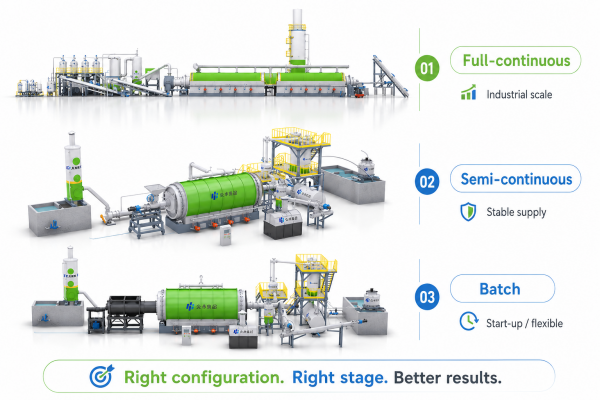
Profitability is not decided by oil yield alone. A successful waste-to-oil pyrolysis project should match equipment configuration, emission control and long-term operating cost with real project conditions.

Yushunxin builds pyrolysis solutions around real project conditions, not fixed machine templates. From waste handling to oil recovery, every project needs a clear process route and stable operating logic.