Industrial Waste Pyrolysis Plant for Waste Recycling Projects
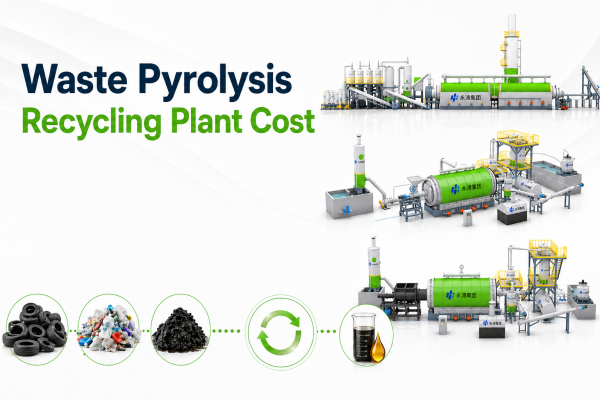
Rising disposal costs and stricter environmental requirements are pushing many companies to rethink how they handle waste tires, plastics, industrial rubber and oil sludge. An Industrial Waste Pyrolysis Plant converts hydrocarbon-containing waste into fuel oil, carbon black, steel wire and reusable gas, helping projects reduce disposal pressure and build a waste-to-oil recovery pyrolysis route.
Yushunxin recommends suitable pyrolysis systems based on real project conditions, including skid-mounted, batch, semi-continuous, fully continuous and customized configurations.

Which Industries Are Better Suited for Pyrolysis Recovery?
Pyrolysis is more suitable for industries that handle hydrocarbon-containing waste on a regular basis and need a higher-value recovery route. The focus is not only waste reduction, but whether the industry has stable waste sources, practical product demand and enough operating motivation to build a recycling project.

What Factors Affect Tyre Pyrolysis Plant Cost?
Many buyers first compare capacity and price, but this is not enough. A suitable pyrolysis plant should match the feedstock form, daily supply volume, labor condition, site layout, budget and expected product route.
Yushunxin offers skid-mounted type pyrolysis unit, batch type pyrolysis machine, semi-continuous type pyrolysis plant, fully continuous type pyrolysis equipemt and customized pyrolysis systems, so buyers can choose a configuration based on real project conditions rather than adapting the whole business to one fixed reactor.
|
Project Condition |
Recommended Configuration |
Main Buyer Value |
|
Trial project, small site, limited early budget |
Skid-mounted pyrolysis plant |
Compact layout, easier installation and lower project complexity |
|
Whole tires, mixed feedstock, flexible operation |
Batch pyrolysis plant |
Stronger feedstock tolerance and easier project start-up |
|
Stable tire chips, rubber scraps or sorted plastic |
Semi-continuous pyrolysis plant |
Higher turnover and less waiting time |
|
Large daily supply and industrial recycling base |
Fully continuous pyrolysis plant |
Continuous feeding, higher automation and stable daily output |
|
Oil sludge or special industrial waste |
Customized pyrolysis treatment line |
Sealed feeding, reduction treatment and compliance support |
For projects below 5 tons per day, or for investors still checking local feedstock supply and product sales, a skid-mounted pyrolysis plant may be easier to start. It reduces installation complexity and keeps the early investment more controllable.
When the project handles whole tires, tire blocks, rubber scraps or changing material types, a batch pyrolysis plant is often more practical. It offers better feedstock tolerance and is easier for operators who are still building stable supply channels.
When material supply is increasing but not stable enough for full continuous production, batch or semi-continuous equipment may be more practical. Batch pyrolysis systems offer stronger feedstock tolerance, while semi-continuous systems improve turnover and reduce waiting time.
For factories with stable daily waste supply, a fully continuous pyrolysis plant can reduce manual operation, improve output consistency and support higher daily processing capacity. This option is more suitable for large tire recyclers, plastic recycling centers, refinery waste treatment projects and regional recycling bases.

What Products Can Create Value After Pyrolysis?
Recovering products is the main reason many investors choose pyrolysis: pyrolysis oil, carbon black, steel wire. A well-planned project should not only reduce waste volume, but also create sellable outputs that support long-term operation.
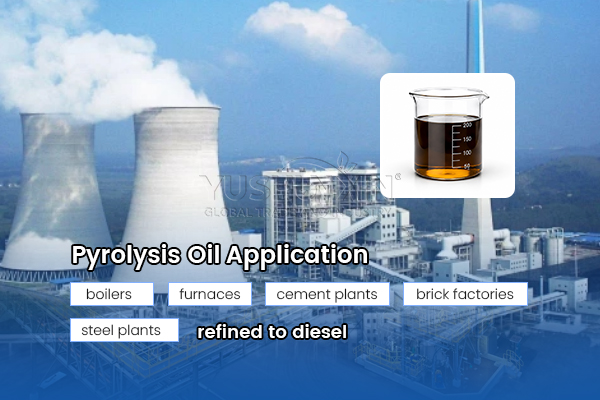
For most tire, plastic and oil sludge pyrolysis projects, pyrolysis oil is the key product buyers care about first. It may be sold as industrial fuel to boilers, cement plants, brick factories, asphalt plants and other heating users, depending on local regulations and oil quality. Some customers may further refine crude pyrolysis oil into diesel fuel for generators, heavy machinery or industrial burners.
Waste pyrolysis also produces carbon black or carbon-based residue. Depending on quality, it can be sold directly, processed into briquettes, used in construction-related applications or upgraded for higher-value use.
For waste tire pyrolysis projects, recovered steel wire provides an additional income channel. After separation and cleaning, it can be sold to scrap metal recyclers or steel recovery companies.
This is especially important for tire recyclers because the project value does not rely only on oil yield. Steel wire recovery helps improve total material utilization and reduce final waste.


How Does the Pyrolysis Process Affect Daily Operation?
A complete pyrolysis process is not only about heating waste in a reactor. Each process step affects feeding stability, oil recovery, labor cost, dust control, fuel consumption and environmental performance.

Reference Profit Analysis for 10T Waste Tyre Batch Pyrolysis
For many investors, the key question is simple: can a pyrolysis project create real operating profit?
The answer depends on feedstock cost, oil price, carbon black value, steel wire recovery price, fuel selection, labor cost and local environmental requirements. Instead of relying only on general industry averages, buyers should calculate profitability based on their own waste source and local product market.
The following example uses a 10T waste tyre batch pyrolysis machine for preliminary reference.
|
Category |
Item |
Reference Calculation |
|
Operating Cost / Day |
Waste tires |
10 tons × $80/ton = $800 |
|
|
Heating fuel |
Fuel oil/TPO: 0.3 tons × $560/ton = $168 |
|
|
Power consumption |
400 kWh/day × $0.14/kWh = $56 |
|
|
Water consumption |
Water is recycled, with almost no daily consumption |
|
|
Workers |
3 persons × $35/person/day = $105 |
|
|
Total operating cost |
About $1,129/day |
|
Earnings / Day |
Pyrolysis fuel oil |
4.5 tons × $560/ton = $2,520 |
|
|
Recovered carbon black |
Direct selling: 3.5 tons × $150/ton = $525 |
|
|
Steel wire |
1.5 tons × $220/ton = $330 |
|
|
Syngas |
Reused for reactor heating |
|
|
Total earnings |
About $3,375/day |
|
Profit / Day |
Reference profit |
$3,375 − $1,129 = about $2,246/day |
Every pyrolysis project has different feedstock, capacity and site requirements. Yushunxin first reviews your raw material, daily target, moisture, feeding size, available land, fuel, emission limits and product use. Based on this information, our team can recommend a suitable configuration, provide a preliminary price, plan the process layout and support installation and commissioning.
Whether you process waste tires, plastics, rubber residues or oil sludge, Yushunxin helps you assess project feasibility before equipment selection.