

Pyrolysis Plant Design and Equipment Configuration Guide for Industrial Recycling Projects
Pyrolysis plants with similar reactor capacities can perform very differently. Smooth feeding, stable oil recovery, clean discharge and lower labor demand depend on the complete plant configuration, not the reactor alone.
Yushunxin pyrolysis plant design focuses on how your pretreatment equipment, feeding system, pyrolysis reactor system, condensation system, safety devices, purification system and carbon black discharge system work together.
The goal is simple: your pyrolysis production line should match your raw material, industry model, site condition, fuel supply, labor arrangement and product target from the beginning.

How Does Yushunxin Arrange Pretreatment Before Pyrolysis?
Tire pretreatment prepares cleaner feedstock
Yushunxin can add wire drawing machines, shredders, crushers or rubber powder lines according to your product plan. Removing bead wire improves shredding safety, while smaller tire chips support smoother feeding and better heat transfer. Where crumb rubber has market demand, part of the material can be sold directly and the rest sent to pyrolysis, creating a more flexible profit route.


Plastic pretreatment stabilizes feeding
Plastic pyrolysis projects must control PVC, metals, sand, moisture and other impurities. PE-rich films may also create wax and condensation problems. Yushunxin can add sorting and crushing equipment to remove unsuitable materials, control feed size and improve operating stability.
Oil sludge pretreatment reduces wasted heat
Oil sludge projects must control moisture before pyrolysis. Excess water increases fuel use, extends processing time and adds load to the cooling system. Yushunxin can add dehydration equipment to improve feeding, heating efficiency and overall operation.

How Should The Feeding System Be Configured?
Loading time can quietly reduce daily capacity.
Yushunxin can choose forklift feeding, belt conveyor feeding or hydraulic feeding. Forklift feeding is economical and practical when you process whole tires or large rubber pieces and have enough labor. Belt conveyors are suitable when materials have already been crushed. Hydraulic feeding is worth considering when your material is bulky, loose or difficult to push manually. The extra investment can reduce loading time and labor intensity in repeated production cycles.
For semi-continuous and fully continuous lines, screw conveyors are usually used. However, screw feeding requires prepared materials with suitable size and stable condition. If your project has regular shredded tires, plastic flakes or pretreated sludge, screw feeding can reduce manual work and support higher automation.


How Should Condensation Be Used For Oil Recovery?
In many tire recycling projects, investors initially pay more attention to reactor size. However, after commissioning, condensation often becomes the first production bottleneck because oil vapor generation exceeds cooling capacity.
Shell tube condensation is often selected when the project needs stronger heat exchange efficiency and a more compact oil recovery structure. High-temperature oil gas enters the condenser, and cooling water exchanges heat through the tube structure. This design helps recover pyrolysis oil more efficiently and is suitable for tire pyrolysis, plastic pyrolysis and other projects with stable oil-gas output. For customers who care about plant layout, cooling efficiency and oil recovery stability, shell tube condensation can be a strong option.
A water tank condensation system has a more direct cooling structure. For some projects, operators find it easier to understand, inspect and maintain. It can be considered when the buyer prefers a simpler cooling layout, the site has sufficient cooling water conditions, or the team wants a more visible maintenance process.
How Should Carbon Black Discharge Be Arranged?
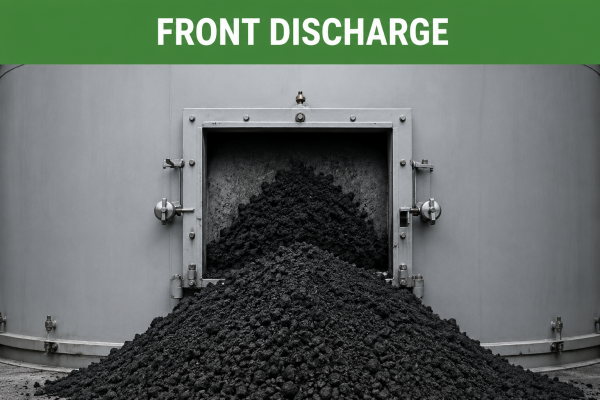
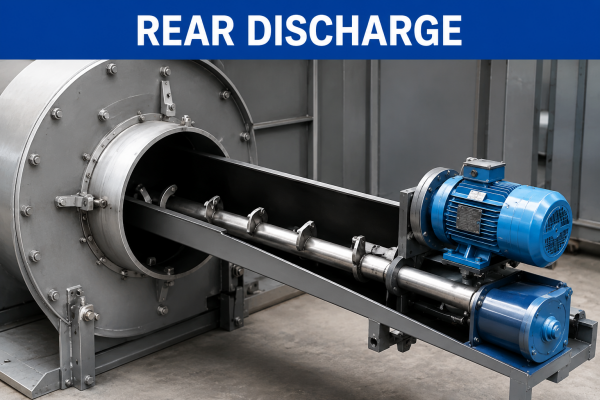
Discharge method affects labor, dust and production rhythm.
Carbon black discharge is often underestimated before purchase. If discharge is dusty, slow or difficult to collect, your team may spend more time cleaning than expected. If carbon black will be sold, briquetted, ground or further processed, cleaner collection becomes even more important.
What are the additional devices?
Safety Devices for Pyrolysis Plant
Gas backflow, flame spread, abnormal pressure and air leakage can stop production and create safety risks. Yushunxin can configure water seals, flame arresters, anti-backflow devices, monitoring systems, emergency alarms, explosion-proof components and negative-pressure control. These devices improve protection across feeding, reaction, condensation, gas reuse and flue-gas treatment.
Environmental Purification of Pyrolysis Plant
Odor, smoke and sulfur emissions can create approval and community risks. Yushunxin can configure deodorization, tail-gas purification, flue-gas cleaning and desulfurization systems according to the feedstock and local regulations, supporting cleaner and more compliant operation.
Water Seal
Flame Arrester
Anti-backflow
Device
Pressure
Monitoring
Temperature
Monitoring
Emergency
Alarm
Explosion-proof
Electric
Negative-pressure
Control
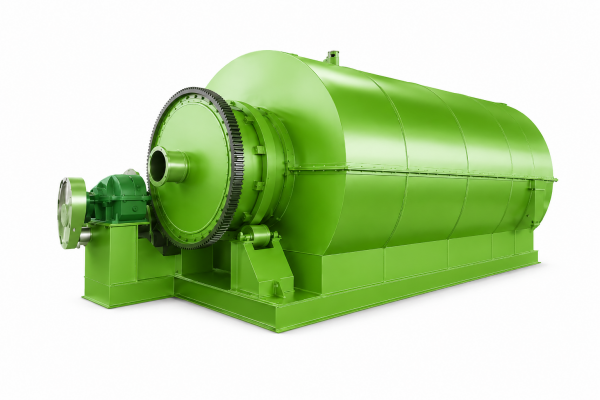


With engineering experience in waste tire, plastic, oil sludge, rubber waste and other pyrolysis applications, Yushunxin can provide practical suggestions according to your real production conditions.
One-Stop Service
Equipment design
& manufacturing
Delivery & Installation
Guidance
Smooth delivery and
on-site support
Operator Training
Help your team
operate with confidence
Long-Term Support
Responsive service
for stable production


