Plastic Pyrolysis Plant Business Guide: Cost, Profit and Investment
The plastic recycling pyrolysis industry is changing from simple waste disposal to higher-value resource recovery. When landfill costs continue to rise while mechanical recycling margins become increasingly unstable, many recycling companies begin evaluating whether plastic pyrolysis plant can create a more resilient recycling business. In this article, Yushunxin analyzes the potential of this business from two key angles: cost and profit.
Why Are Investors Comparing Landfill, Mechanical Recycling and Pyrolysis?


Where Does the Profit of a Plastic Pyrolysis Business Come From?
Pyrolysis oil is the main revenue product
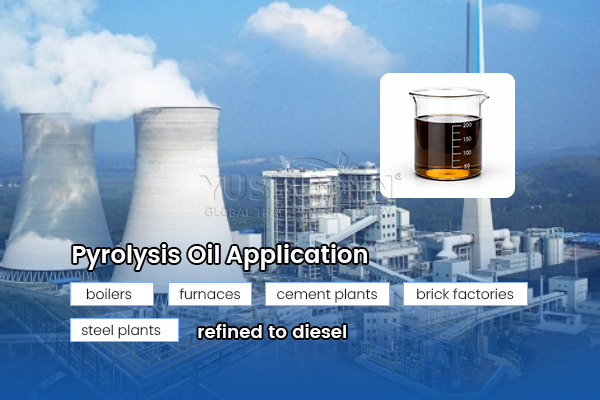
The main profit source of a plastic pyrolysis plant business usually comes from pyrolysis oil. For PE, PP and PS-rich plastic waste, the oil recovery potential is generally more attractive than heavily contaminated or chlorine-rich mixed waste. The recovered oil can be used as industrial fuel in suitable boilers, kilns, furnaces, steel plants, brick factories or other thermal energy systems, depending on local fuel standards and regulations.
Byproducts can reduce operating cost or create extra value
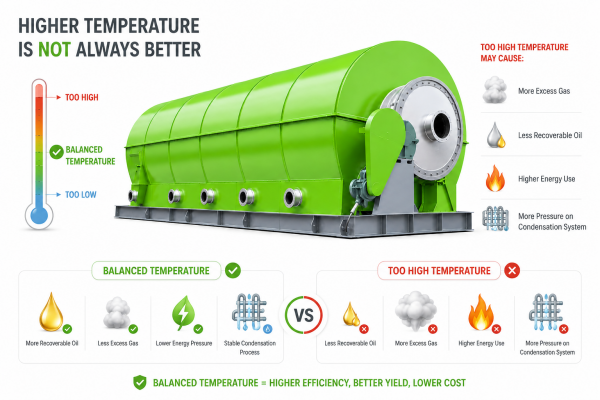
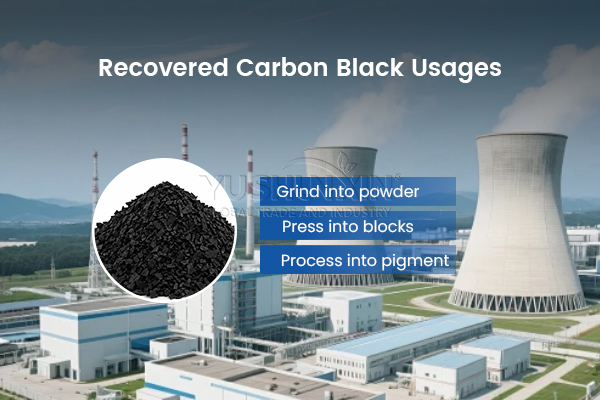
Yushunxin plastic pyrolysis plant can also generate solid residue or carbon black and non-condensable gas. The solid product may be sold or further processed according to its quality and local market demand. The non-condensable gas can usually return to the heating system of the pyrolysis reactor, reducing external fuel consumption. This part may not always appear as direct sales income, but it can reduce daily operating cost and improve the real profit per ton.
Which Plastic Recycling Method Offers Better Long-Term Investment Potential?
Investors should compare recycling methods by cost, product value, feedstock flexibility and long-term profit potential.
|
Comparison |
Landfill |
Mechanical Recycling |
Plastic Pyrolysis |
|
Initial Processing Cost |
Low |
Medium to High |
Medium |
|
Pretreatment Requirement |
Low |
High |
Medium |
|
Products Generated |
None |
Recycled Plastic Pellets |
Pyrolysis Oil, Carbon Residue, Combustible Gas |
|
Revenue Streams |
None |
Single |
Multiple |
|
Suitable for Mixed Plastic Waste |
No |
Limited |
Yes |
|
Long-term Profit Potential |
Low |
Medium |
High |
Which Plastic Pyrolysis Plant Fits Your Investment Model?
- Suitable for small recyclers and cautious investors.
- Fits projects with unstable mixed plastic supply.
- Yushunxin offers 1–20 TPD batch models.
- Investors can test feedstock, oil sales, and operating costs first.
- Therefore, early investment risk becomes easier to control.
- Better for projects with stable waste plastic supply.
- Requires basic sorting and shredding before feeding.
- Yushunxin provides 5–20 TPD semi-continuous models.
- Compared with batch systems, feeding and discharge become faster.
- However, material preparation should be more controlled.
- Designed for large recycling centers.
- Requires stable, sorted, and pretreated plastic waste.
- Yushunxin offers 15–50 TPD continuous systems.
- These systems support higher automation and larger capacity.
- Meanwhile, they need stronger investment and sales channels.
Investors should not only compare plastic recycling technologies. You should choose the model that creates more value from their actual plastic waste. For mixed or low-value plastics, plastic to oil pyrolysis mahcine can reduce disposal pressure and create fuel-based revenue.