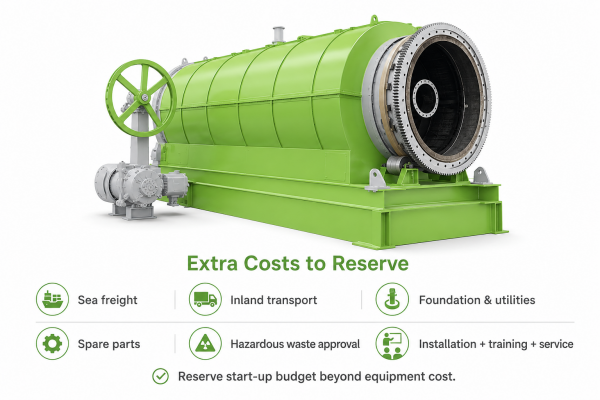
Oilfield Sludge Pyrolysis Recovery Line Solution in Saudi Arabia

What Challenges Did the Saudi Customer Face?
The customer collected oily sludge from tank-cleaning projects, drilling support sites, oil-water separation areas and storage facilities. Its existing service model covered collection, temporary storage and transfer to external treatment providers.

Large batches often arrived after tank cleaning or maintenance work, while supply dropped during quieter periods. This uneven pattern made a standard continuous model less suitable. The customer evaluated pyrolysis to retain more value within the project. Rather than treating every batch as disposal waste, the company wanted to recover part of the remaining oil through thermal treatment.
Why Did the Customer Choose a Project-Based Evaluation?
How Was the Recovery Line Matched to Saudi Oilfield Sludge?
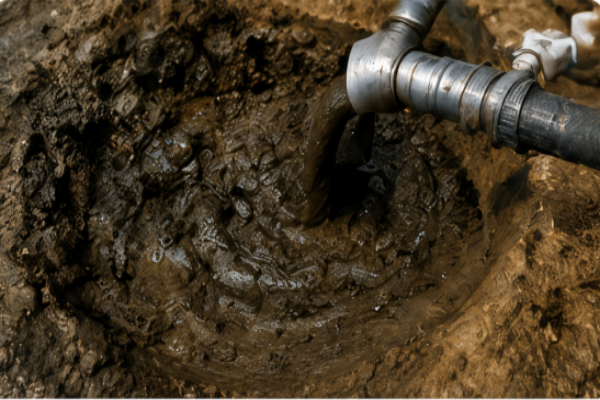
Oilfield sludge differs from cleaner refinery residue. It may contain drilling mud, sand, salts, high moisture and heavy oil fractions. The proposed line was therefore built around three priorities: reliable feeding, efficient oil-gas recovery and cleaner residue discharge.
Sludge viscosity and solid content directly affect loading. Very wet or sticky material can slow feeding and reduce heat-transfer efficiency.
Yushunxin reviews the sludge condition before selecting the feeding structure. When needed, engineers add dewatering or other pretreatment to improve feed consistency, reduce interruptions and support stable oil sludge pyrolysis plant operation.
Safety water seals, flame arresters, tail-gas treatment and the control system were included as part of the full line.