

Pyrolysis VS Gasification VS Incineration
How Should Investors Compare?
When comparing Pyrolysis VS Gasification VS Incineration, investors should consider waste type, recovery goals, compliance requirements and operating cost.
Pyrolysis often suits industrial recycling because it recovers valuable products such as oil, carbon black, steel wire, gas and hydrocarbons. Gasification and incineration serve different objectives, mainly focused on energy recovery or waste reduction.


Why Choose Waste Pyrolysis Solution?
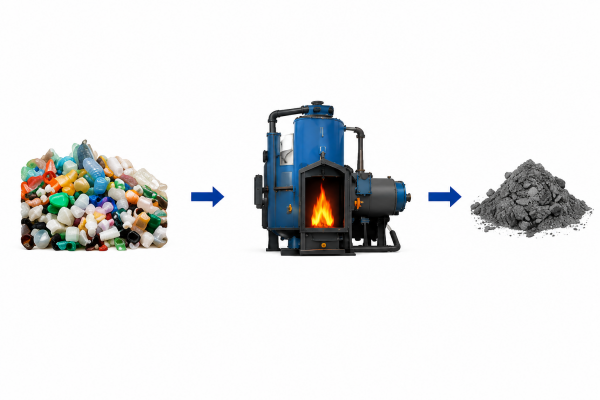
Pyrolysis is not only a waste reduction method. It helps recycling investors recover fuel oil, combustible gas, carbon black, steel wire or solid residue from suitable waste materials. For a real project, the value depends on feedstock quality, recovery target and complete system design
Pyrolysis is a thermal decomposition process carried out under low-oxygen or oxygen-free conditions. The material is heated in a controlled reactor, and the organic components break down into oil vapor, combustible gas and solid residue. This process is especially meaningful for recycling investors who expect product recovery instead of simple waste reduction.
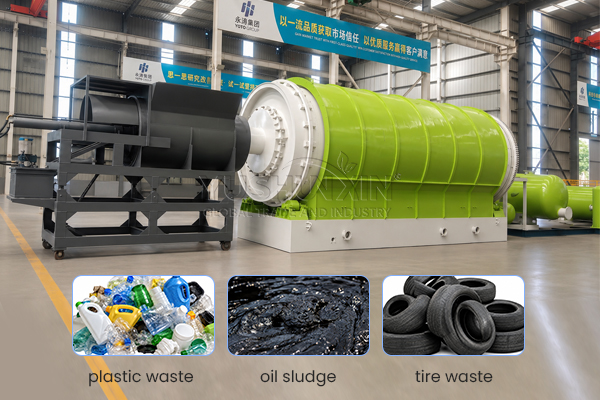
If your feedstock is waste tires or rubber-rich materials, the main recovery value usually comes from fuel oil, recovered carbon black, steel wire and non-condensable gas. If your material is sorted PP, PE or PS plastic, the project should pay more attention to oil yield, wax formation, condensation efficiency and chlorine control. If your material is oil sludge, the first judgement should come from its oil-water-solid ratio, because tonnage alone cannot show the real recovery value.
A pyrolysis plant performs best when the feedstock is suitable and relatively stable. Whole tires, tire blocks, rubber powder, sorted plastic scraps, plastic lumps, dewatered oil sludge and certain composite materials can be evaluated according to project conditions. Mixed municipal waste, high-moisture waste, metal-rich waste or high-PVC plastic needs careful pretreatment before entering a thermal process.
This is where many project mistakes begin. Some investors compare equipment prices before checking material quality. A low-priced reactor may seem attractive, yet the plant can face unstable oil output, blocked pipelines, high fuel use or difficult emissions control if the feedstock is unsuitable. A professional pyrolysis solution should first match the material, then match the reactor capacity and auxiliary systems.
For a pyrolysis project, the reactor is only one part of the full investment. Feeding method, heating system, discharge design, oil-gas separation, condensation area, water seal, flame arrester, dust collection and tail gas treatment all affect daily operation. A well-designed system can reduce shutdown risk, improve product recovery and make maintenance more predictable.
If your project operates in a market with strict environmental standards, the discharge and dust-control design should receive special attention. For example, rear discharge with water cooling can help reduce dust and improve operating cleanliness, while better condensation design can support more stable oil recovery. The practical configuration depends on your material, labor cost, site layout and expected daily running hours.
When to Use Incineration?

| Technology | Main Target | Typical Outputs | Energy Recovery | Product Recovery | Best For | Key Considerations |
|---|---|---|---|---|---|---|
|
Pyrolysis
|
Organic Materials |
Oil, Gas, Carbon Black, Steel Wire |
Moderate | High |
Tires, Plastics, Oil Sludge |
Feedstock quality, Condensation, Market for products |
|
Gasification
|
Syngas | Syngas (CO + H₂) | High | Low |
Stable Feedstock, Energy Use |
Gas cleaning, Downstream Utilization |
|
Incineration
|
Volume Reduction |
Heat, Electricity, Ash |
High | Very Low |
Municipal, Medical, Hazardous Waste |
Emission control, Ash disposal, Public acceptance |
Still comparing Pyrolysis VS Gasification VS Incineration for your recycling project?
Share your waste material and project target with Yushunxin. Yushunxin engineers can review your material condition, recovery target and site requirements, then provide a practical pyrolysis solution with suitable equipment configuration and product recovery direction.


