


What Makes Tire Pyrolysis Attractive for Investors?
Resource recovery creates more flexible business models
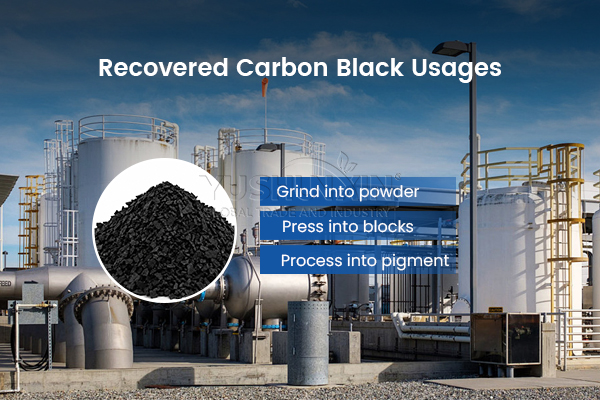
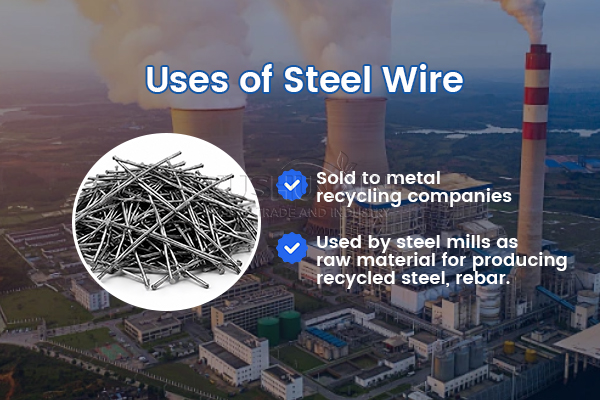
For many waste tire projects, investors now care less about daily processing volume and more about economic recovery value. Yushunxin tire pyrolysis equipment can convert waste tires into pyrolysis oil, recovered carbon material, steel wire and reusable gas, allowing one feedstock to support several revenue channels.

Local market conditions determine project potential
How Should Investors Choose the Right Tire Pyrolysis Plant?
Yushunxin matches the plant with the customer’s raw material, budget and business plan. This makes the quotation more relevant to operation, not only to capacity.
- 1-20TPD batch pyrolysis equipment is suitable for investors who want lower initial investment, flexible start-up and simpler operation.
- 5-20TPD semi-continuous pyrolysis machine is ideal for projects with stable tire supply and shredding or pre-processing capability.
- 15-50TPD fully continuous pyrolysis plant is usually considered for larger projects with stable raw material supply, higher investment capacity and stronger demand for efficiency.
Investors should also evaluate whether the project will process whole tires or shredded tire chips.
- Whole-tire feeding generally requires less pretreatment investment but may reduce production rhythm.
- Shredded feeding requires additional pretreatment equipment while supporting semi-continuous or continuous operation with higher efficiency.
- Batch tire pyrolysis plants normally discharge carbon black after cooling. Front discharge provides a simpler structure and lower equipment cost, while rear screw discharge offers cleaner material handling with less manual work after cooling.
- Semi-continuous and fully continuous plants can discharge carbon black at high temperature, eliminating the cooling stage and improving production continuity.


